What We Do
Our Services
Welcome to RAPHA, where we provide holistic and personalized rehabilitation services to help you regain your health and well-being.

Assessment & Treatment
We offer complete physical and psychological assessment, and treatment if needed.

Awareness
Education about the nature of substances and dynamics of addiction. We focus on prevention, early intervention and treatment

Counselling
Receive emotional support and guidance through our individual and group counselling programs. Our Core values include: Confidentiality, Empathy, Being genuine and No Judgement.

Life Skills Training
This includes self-awareness,critical thinking, decision making, problem solving, effective communication etc.

Recreational Activities
Occupational and recreational activities such as playing games, meditation, reading and physical exercise.
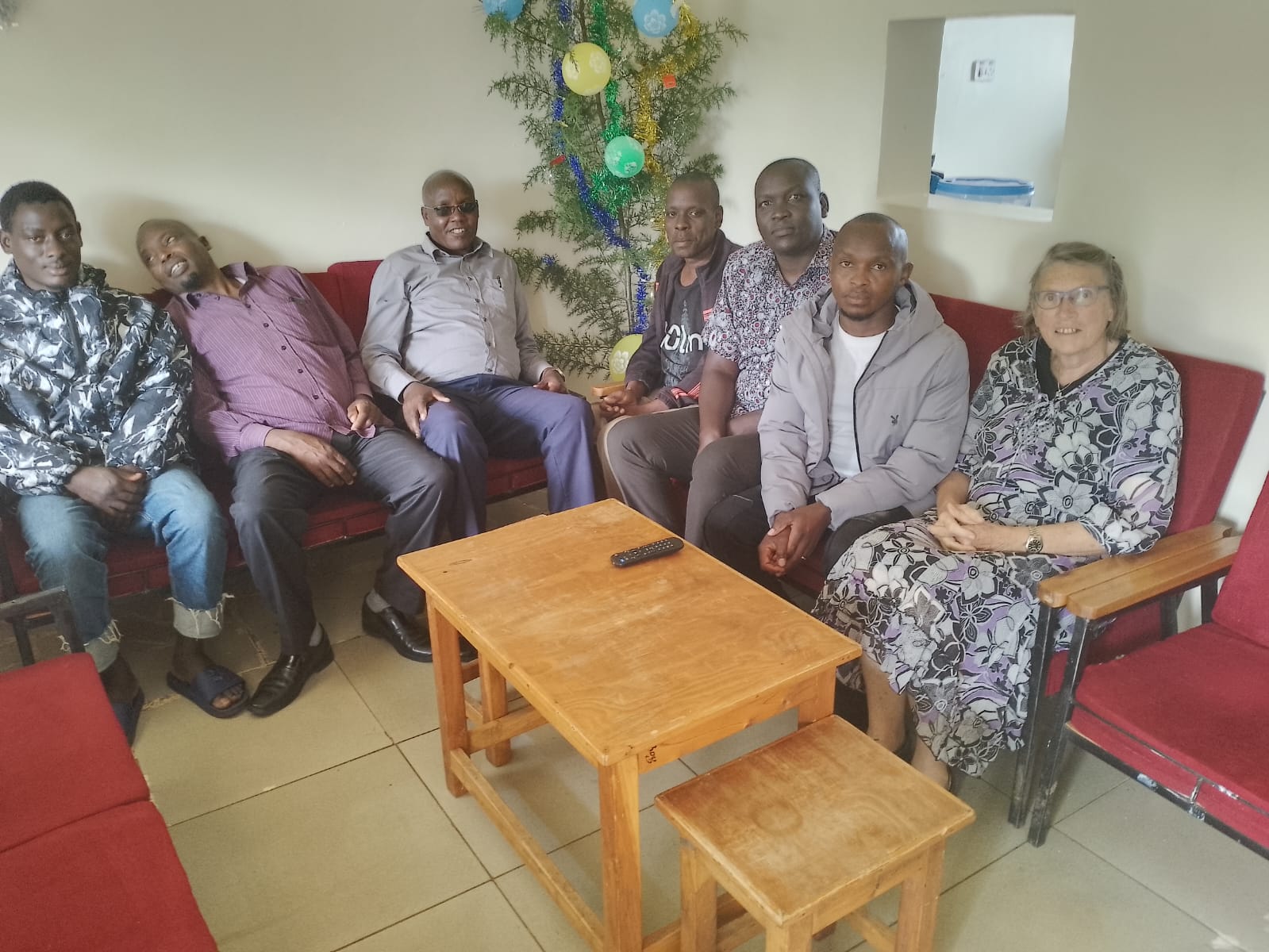
Family Therapy
Is designed to help with issues that specifically affect families' mental health and functioning.
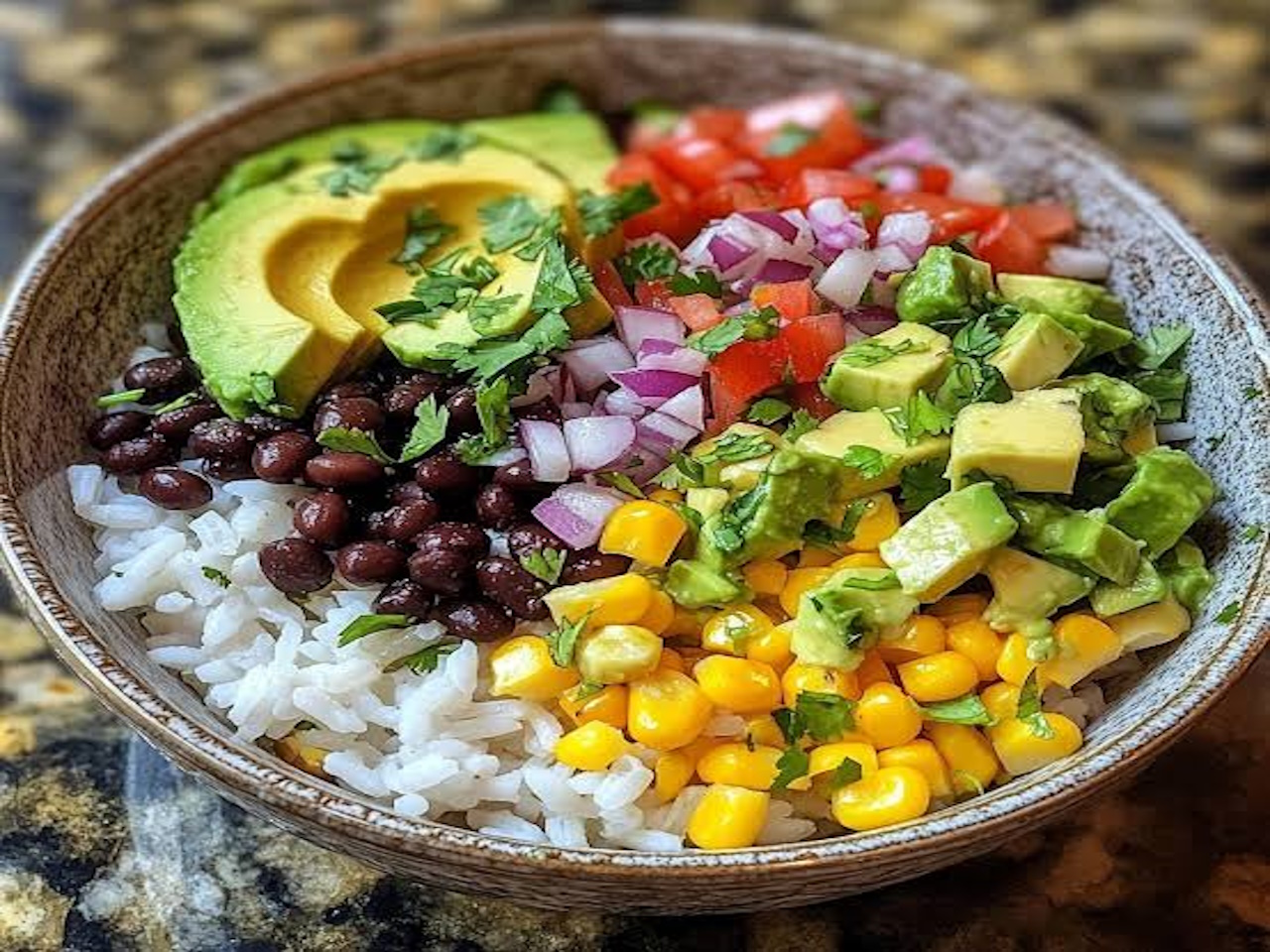
Healthy Living
We recommend and ensure eating of healthy balanced diet food.

Follow-Up
Making of contact with patients or their caregivers at a later, specified date to check on patients' progress since their last appointment.
Co-morbidity
Morbidity = sickness.
We speak of co-morbidity when there are two or more mental health disorders at the same time. In the rehabilitation centre we work with people who are addicted to substances such as alcohol and drugs. In medical terms it is called S.U.D.(Substance Use Disorder) Other addictions that can be there are gambling, sex abuse, and overeating amongst others.
The S.U.D. is regarded a mental disease because it interferes with somebodies normal life.
Other common mental health disorders are: depression; anxiety; bipolar disorder where there is both depression and being hyper ; schizophrenia where there can be confusion and bizarre behaviours; and psychosis.
In our brain there is normally a lot of good chemistry. There are different substances that are called neurotransmitters. They regulate how we think, how we act, how we feel, our movements, our sleep, and our appetite. If those neurotransmitters become abnormal, one may get disturbed thinking, feeling, behaviours, sleep and appetite. Even confusion and memory loss may occur.
We suspect co-morbidity when a client is addicted to a substance and is also showing signs and symptoms of another mental disorder.
So what comes first, the addiction or the mental disorder? It can be both ways. People who abuse substances do harm to their brain, that may cause mental disorder. On the other hand people who are born with a vulnerability of developing a mental disease are vulnerable to start using substances and to become addicted very fast. For this person it is very important to consult a psychiatrist.The psychiatrist will observe the patient and ask many questions to make the correct diagnosis. The questions include asking information about mental disorders in the family. Then the doctor may describe specific medicine to treat the specific mental disorder. These medicines may need to be used for a very long time.
So it is important to accept that one has a disease, to comply with the treatment, and not to discontinue unless advised by the doctor. Thus treating the addiction through psychoeducation and counselling, will reduce the severity of the mental disorder. Whereas treating the mental disease will reduce the severity of the addiction. By accepting and complying many patients live quite a normal life. Especially the highly motivated patients do better, while an understanding supportive family is of great help.
Stigma
“Relapse is real” is an often heard statement. And the affected people feel that it is so disappointing when it happens. During the 3 months rehabilitation period, there is a module on “relapse prevention”. Clients in rehabilitation learn about managing their cravings thoughts about alcohol or drugs. They learn about avoiding people, places, items and situations that can trigger relapse. And they discuss and plan about how to best live a balanced life style. As a balanced life reduces stress and stress can trigger relapse.
However going out to the world where one lives, or is employed, the triggers may come quite unexpectedly. While many remain sober after rehabilitation, some do relapse. However one must not loose hope and surrender. Relapse must be seen as “part of recovery”, because it is a learning experience.
The recovering alcoholic should wake up. He/she should call or see his counsellor to discuss how it happened, so that next time the trigger will be avoided or overcome. And let no stigma or shame prevent the person from calling or seeing the cousellor.
Relapse.
Canada.ca Fact Sheet explains:” Stigma is a strong, unfair feeling of disapproval that society or a group of people has about something. It usually happens when people judge someone negatively just because of their background, a health condition, or a life circumstance, often leading to shame and unequal treatment. For example, people often experience the stigma of mental illness, where they are unfairly judged as “crazy” or “unreliable”. This fear of being judged often makes people hide their struggles and avoid asking for help.”
There is also “self-stigma”. This is “when a person internalizes societies negative beliefs and applies them to themselves. This results in shame, lowered self-esteem, and avoidance of treatment” (YouTube-CCSA/C)
Stigma does not help anybody. Alcoholism is sometimes called “the disease of shame”. The stigma can be overcome and the mental condition can improve. People with substance use disorder and other mental health conditions should accept their condition ,feel free, and takea step to find help. To overcome stigma we have to change our attitude and overcome prejudice.
A family or community should realise that addicts and people with mental illness need help and can be helped. Negative feelings such as low self-esteem and shame lead to a negative spiral of more negative feelings and consequently more negative consequences. Often people with addictions are neglected and sometimes other diseases go undiagnosed. The negative spiral can be broken by giving attention and help.
What To Know
.jpg)
- We are open for 24 hrs.
- Programme lasts for 3 months.
- Educative content on addictions e.g Signs that one is addicted.
- Child/Parent inquiry.
Yes, because alcohol and drugs are dangerous. They are chemicals that change the way a person’s body and mind work. They change the way people feel, think and behave.
They lead to addiction when someone cannot do without the substance and even needs more of it all the time. They lead to complications such as heart and liver damage, psychosis and brain damage. Not even to mention social and economic problems.
Which types of intervention are there?1. Prevention
Everybody should have an understanding of what alcohol and drug abuse is about. Young people need to develop life skills such as good self-esteem, confidence and assertiveness. They are skills that help someone to say NO to alcohol and drugs. Therefore ADAPT Organisation gives information in primary schools, secondary schools, colleges, churches, barazas, and other public meetings.
2. Early intervention
This is done in the community when someone has started using alcohol or drugs, but is not yet seriously addicted. To prevent addiction and serious complications, the person receives counselling about the importance of stopping the habit. Counselling for early intervention can be done individually or in a group. It may be brief, or there may be several sessions.
3. Treatment.
This usually happens in a treatment and rehabilitation centre. ADAPT – Rapha rehabilitation centre admits clients for a programme that lasts for 3 months (90 days). Admission helps to abstain from alcohol and drugs, to regain health and to restructure one’s life. There ar 4 steps to overcome addiction:
3.1 Acceptance that one has a problem.
It is to recognize that life has become unmanageable because of alcohol and drug abuse. He/she must take responsibility for his/her own behaviour. Some addicted people come to accept this and ask for admission. Others come to accept this gradually when they are already admitted. Acceptance leads to motivation for rehabilitation and starting a new life.
3.2 Management of withdrawal symptoms/detoxification.
Withdrawal means to start abstaining from alcohol and drugs, and so to rid the body from toxic substances. Withdrawal symptoms are safely treated under medical supervision in the rehabilitation centre. Occasionally it is necessary to be admitted in a hospital for detoxification. Alcohol is known for serious withdrawal symptoms that may last for 2 weeks if they are not treated. Most other substances cause less dangerous withdrawal symptoms, but may last longer.
3.3 Recovery
There is no instant cure for addiction. Recovery comes by abstaining from substances and by understanding the nature of substances and the dynamics of addiction. The patient learns alternative mechanisms to cope with other problems than drugs or alcohol, the so called underlying problems. Often recovering addicts feel some depression and anxiety. Therefore the staffs in the rehabilitation centre are very approachable, they are non-judgmental and maintain confidentiality. Support from family and friends is important for their recovery. Some addicts have mental disease and are also treated by a psychiatrist.
3.4 Rehabilitation
Remaining unaddicted is a life long process and there is always a chance for relapse and going back to the old ways. However, people do come off alcohol and drugs all the time, and stay off. To remain sober one must develop an entirely new life style: new friends, new ways of coping with stress and anxiety, new activities and interests, and sometimes a new job or school. Continuous support from counsellors, pastors, self-help groups (e.g. alcoholics anonymous), help the recovering addict to remain free from alcohol and drugs. And not to forget that sometimes a relapse is part of the recovering process: With the support of family, friends and addiction professionals the experience may help to quit again and remain sober for good.
Partners
Our Partners

NACADA Accreditation

Moi Referral Hospital, Eldoret
